
Medical Admissions
Medical Courses After 12th: Explore Your Options
Choosing a medical course after Class 12 is an important decision, and IVS Study Links helps you explore options like MBBS, BDS, BAMS and BHMS to make an informed choice.
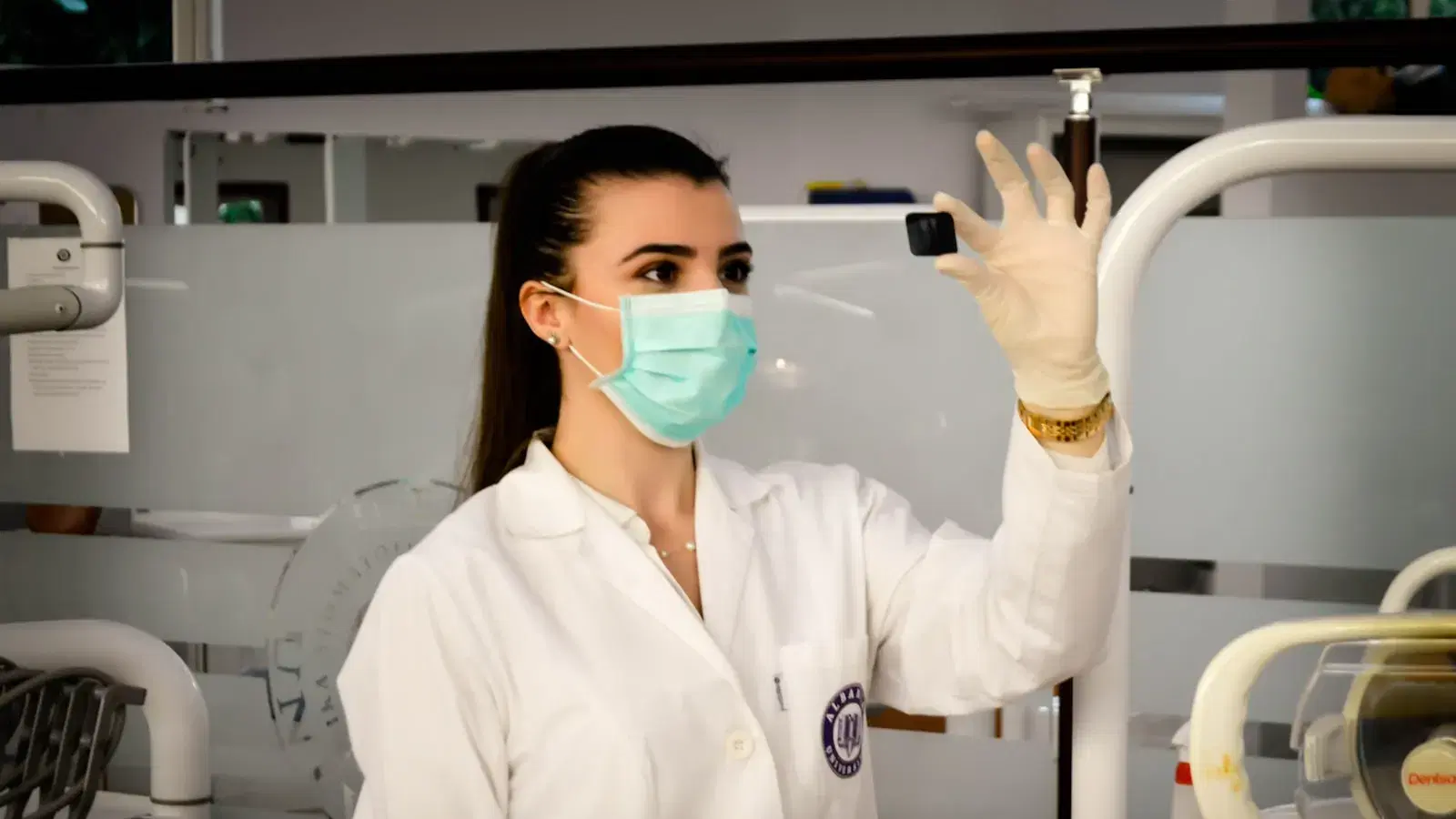
Choosing a medical course after Class 12 is an important decision for students who want to build a career in healthcare. With several courses available, it is natural to have questions about eligibility, entrance examinations, course duration, college selection and future career opportunities. Understanding these factors can help you choose a programme that matches your interests, academic background and long-term goals.
At IVS Study Links, we help students explore higher education options and make informed decisions about their academic future. If you are looking for medical courses after 12th, our guidance can help you understand the available pathways, compare suitable colleges and prepare for the admission process.
Popular options include MBBS, BDS, BAMS and BHMS. Although all four programmes relate to healthcare, they differ in their areas of study, clinical training and professional pathways.
Explore the courses below to understand their key features and decide which option is worth considering for your future.
What Are the Medical Courses Available After 12th?
Students who complete Class 12 with the required science subjects can explore several undergraduate medical programmes. The right choice depends on the type of healthcare work you want to pursue, your academic performance, entrance examination results and eligibility for admission.
Four popular options are:
MBBS (Bachelor of Medicine and Bachelor of Surgery): For students interested in modern medicine, diagnosing illnesses and treating patients as medical doctors.
BDS (Bachelor of Dental Surgery): For students interested in oral health, dental treatment and the prevention of dental diseases.
BAMS (Bachelor of Ayurvedic Medicine and Surgery): For students interested in Ayurveda and its approach to healthcare, alongside relevant modern medical sciences.
BHMS (Bachelor of Homoeopathic Medicine and Surgery): For students interested in studying homoeopathic medicine and its clinical approach.
Each programme has its own curriculum, training requirements and professional regulations. Before applying, students should review the official eligibility criteria and admission requirements for their chosen course and academic year.
Explore Medical Courses After 12th
Choosing a course becomes easier when you understand what each programme involves. The following sections introduce the four main options and provide a starting point for exploring admission information.
MBBS – Bachelor of Medicine and Bachelor of Surgery
MBBS is an undergraduate medical degree for students who want to pursue a career in modern medicine. The programme covers subjects related to the structure and functioning of the human body, diseases, diagnosis, treatment and clinical practice.
Students study medical sciences and develop their knowledge through practical learning and supervised clinical training. The programme also includes the prescribed internship and other requirements applicable to the course.
Who should consider MBBS?
MBBS may suit students who enjoy biology, have an interest in understanding diseases and want to work directly with patients. It requires sustained academic effort, practical learning, communication skills and a commitment to patient care.
Admission requirements
Students generally need to complete Class 12 or an equivalent qualification with the required subjects, including Physics, Chemistry and Biology or Biotechnology, along with English as prescribed by the applicable rules. Admission to MBBS in India requires NEET-UG qualification and participation in the relevant counselling and seat-allocation process.
Meeting the basic eligibility requirements does not guarantee a seat. Admission depends on factors such as entrance examination performance, applicable merit and reservation rules, seat availability and the requirements of the institution.
Career opportunities after MBBS
After completing the degree and fulfilling the applicable registration and licensing requirements, graduates can pursue medical practice and further postgraduate education. Depending on their qualifications and interests, they may explore clinical specialisations, research, teaching and other healthcare-related roles.
Explore more: MBBS Admission Consultant in Kerala
Learn more about the admission process, college selection and the factors to consider when planning your MBBS education.
BDS – Bachelor of Dental Surgery
BDS is an undergraduate professional programme focused on dentistry and oral healthcare. It prepares students to understand dental conditions, oral diseases, preventive care and the principles of dental treatment.
The course combines theoretical learning with practical training. Students study topics related to the teeth, gums, jaw, oral tissues and dental procedures, with clinical exposure forming an important part of their education.
Who should consider BDS?
BDS may be suitable for students who are interested in oral health, patient care and the practical aspects of dentistry. Attention to detail, manual coordination, communication and a willingness to learn clinical procedures are useful qualities in this field.
Admission requirements
Admission generally requires the prescribed Class 12 science subjects and compliance with the applicable eligibility criteria. NEET-UG is the required entrance examination for BDS admission in India. Students must also follow the relevant counselling procedures and meet the admission conditions for the colleges they select.
Eligibility, seat availability, fee structures and counselling arrangements may differ between institutions and admission categories. Students should verify the latest official information before making a decision.
Career opportunities after BDS
After completing the programme and meeting the applicable registration requirements, graduates may pursue dental practice, further dental education, research or other opportunities within oral healthcare. Additional qualifications may be required for specialist roles.
Explore more: BDS Admission in Kerala — Link to the dedicated BDS course page.
The dedicated BDS page should provide more information about course details, eligibility, admission procedures and dental college selection.
Explore BDS Course.
BAMS – Bachelor of Ayurvedic Medicine and Surgery
BAMS is an undergraduate professional degree focused on Ayurveda, India's traditional system of medicine, alongside relevant modern medical sciences. The programme introduces students to Ayurvedic principles, human anatomy, physiology, medicinal plants, Ayurvedic formulations and clinical subjects.
Students learn about approaches to health, disease and patient care within the framework of Ayurveda. The programme includes academic study and clinical training, along with the prescribed internship requirements.
Who should consider BAMS?
BAMS may interest students who want to study Ayurveda and explore its role in healthcare. Students should be prepared to learn traditional medical concepts as well as relevant biomedical subjects and clinical practices included in the curriculum.
Admission requirements
Applicants must meet the applicable Class 12 science eligibility criteria and qualify through the required admission route. NEET-UG is generally required for admission to BAMS programmes in India. Students should also understand the relevant counselling process and the eligibility conditions for their preferred institutions.
The applicable rules, admission procedures and requirements should always be confirmed for the intended academic year.
Career opportunities after BAMS
Graduates may explore opportunities in Ayurvedic healthcare, further studies, research, teaching and related fields, subject to the qualifications and regulations applicable to each role.
When comparing BAMS colleges, students should examine the curriculum, clinical training facilities, internship arrangements, recognition and approval status, location and overall cost of education.
Explore more: BAMS Colleges in Kerala
Visit the BAMS page to explore college options and understand the considerations involved in selecting a suitable institution.
BHMS – Bachelor of Homoeopathic Medicine and Surgery
BHMS is an undergraduate professional degree focused on homoeopathic medicine. The programme covers the principles and practice of homoeopathy, relevant medical sciences and clinical subjects included in the prescribed curriculum.
Students learn about homoeopathic concepts, case-taking, patient assessment and the academic foundations required for their course. As with other professional medical programmes, students must complete the prescribed educational and training requirements.
Who should consider BHMS?
BHMS may interest students who want to study homoeopathy and understand its approach to healthcare. Prospective students should review the curriculum carefully and understand the scientific evidence, limitations and regulatory framework associated with the field before choosing this pathway.
Admission requirements
Students must meet the prescribed Class 12 eligibility requirements and follow the applicable entrance examination and counselling process. NEET-UG is generally required for admission to BHMS programmes in India. The specific eligibility and admission conditions should be checked against current official regulations.
Before selecting a college, confirm its relevant approval status, the course offered, clinical training arrangements, fees and admission procedures.
Career opportunities after BHMS
Graduates may explore further education, research, teaching and work in settings relevant to their qualifications and applicable professional regulations. Any professional practice must comply with the registration, licensing and scope-of-practice requirements that apply.
Explore more: BHMS Admission in Kerala — Link to the dedicated BHMS course page.
The BHMS course page should provide further details about the programme, admission process and factors to consider when selecting a college.
Explore BHMS Course.
How to Choose the Right Medical Course After 12th
Choosing between MBBS, BDS, BAMS and BHMS involves more than comparing course names or popularity. Each programme has a different focus, and the best option for you will depend on your interests, eligibility, preferences and future plans.
Consider the following factors before making your decision.
1. Identify Your Area of Interest
Think about the kind of healthcare work you would like to pursue. If you are interested in modern medicine and a broad range of medical specialisations, you may want to explore MBBS. If oral health and dental procedures interest you, BDS may be worth considering. Students interested in Ayurveda can explore BAMS, while those considering homoeopathic medicine can research BHMS.
Read the curriculum for each course instead of relying only on the course title.
2. Understand Your Eligibility
Review the required subjects, minimum academic criteria and entrance examination requirements. Even if you have completed Class 12 with science subjects, you must satisfy the eligibility conditions applicable to the particular course and admission year.
Check official information before applying, especially if you have questions about qualifying marks, subject combinations or other admission conditions.
3. Prepare for the Entrance Examination
NEET-UG is a key part of the admission process for MBBS, BDS, BAMS and BHMS programmes in India under the applicable admission regulations.
Your preparation should include understanding the examination syllabus, planning revision, practising relevant questions and following official announcements about registration, examination dates and results.
After the examination, pay attention to the counselling schedule and the procedures applicable to your preferred institutions and seats.
4. Compare Colleges Carefully
The college you choose can influence your learning environment and student experience. Compare institutions using reliable information about their approval status, facilities, faculty, clinical exposure, location and course structure.
For professional healthcare programmes, also examine the availability of suitable practical training and the arrangements for required internships.
Do not choose a college based only on advertisements or informal recommendations. Confirm important details through official institutional and regulatory sources.
5. Consider the Total Cost of Education
Tuition fees are only one part of the overall cost. Depending on the institution, students may also need to budget for hostel accommodation, food, travel, books, equipment, examination fees and other expenses.
Fee structures can differ considerably between government, private and other types of institutions. Review the applicable fee schedule and payment conditions before committing to a seat.
Families should also consider whether education loans or scholarships are available and check their eligibility and terms directly with the relevant providers.
6. Think About Your Long-Term Goals
Consider the kind of professional work, further education and working environment you may want in the future. Review the training requirements, professional registration rules and opportunities for additional qualifications in your chosen field.
You do not need to have your entire career planned before applying to college. However, understanding the direction each programme offers can help you make a more informed decision.
Medical Admission Process After 12th
The medical admission process can feel complicated when you are managing entrance examinations, college choices, documents and deadlines at the same time. Knowing the general sequence can make the process easier to organise.
Step 1: Check Your Eligibility
Confirm that you meet the academic and subject requirements for your preferred programme. Review the official admission information for the relevant year before starting your application.
Step 2: Register for NEET-UG
Review the official NEET-UG notification and follow the instructions for registration, required documents, examination fees and deadlines. Make sure the information you provide is accurate and that you complete each step within the specified period.
Step 3: Prepare for the Examination
Create a study schedule based on the official syllabus and your current level of preparation. Regular revision, practice and time management can help you prepare more effectively.
Step 4: Review Your Result and Eligibility
After the results are announced, check your score, qualifying status and the admission criteria relevant to your intended course and category.
Remember that qualifying for an entrance examination is not the same as receiving a college seat.
Step 5: Participate in the Relevant Counselling Process
Follow the applicable counselling authority's instructions. Depending on the programme and seat type, different authorities may manage different parts of the admission process.
Review registration requirements, choice filling, document verification, seat allotment, reporting instructions and deadlines carefully.
Step 6: Compare Allotment Options and Fees
Before accepting a seat, review the institution, programme, applicable fees and admission conditions. Understand the rules concerning acceptance, upgrades, withdrawals and subsequent counselling rounds before making a decision.
Step 7: Complete Admission Formalities
If you receive an allotment and decide to proceed, follow the official instructions for document submission, fee payment and reporting to the institution. Keep copies of important receipts and communications for reference.
Admission procedures can change between academic years. Always use current official notices as the final source of information.
Why Plan Your Medical Education Early?
Starting your research early gives you more time to understand the courses available, prepare for entrance examinations and compare colleges.
Students who wait until the last minute may find it harder to organise documents, review fee structures or understand counselling deadlines. Early planning also gives families more time to discuss costs and evaluate different options.
Begin by identifying the courses that interest you. Next, review the eligibility criteria and entrance examination requirements. Once you understand the admission route, research colleges and note the information you need to verify.
It is also useful to maintain a simple checklist of application deadlines, documents, counselling dates and fee-payment requirements. Check the relevant official websites regularly because schedules and procedures may change.
Most importantly, keep your options realistic. Admission depends on eligibility, entrance examination performance, available seats and the applicable selection rules. A well-planned approach can help you understand your choices, but no counselling service can guarantee admission regardless of these requirements.
Representative Universities & Colleges
A selection of reputed institutions we work with for medical admissions.
Why IVS for Medical
What you get with our guidance
Course exploration — Understand the differences between available programmes and identify options that match your interests.
College shortlisting — Compare institutions according to your course preferences, eligibility, location and budget.
Admission planning — Understand the general application and counselling steps relevant to your chosen course.
Fee and budget considerations — Review the financial factors involved in selecting an institution and explore applicable assistance options.
Application guidance — Understand the documents, deadlines and procedures you may need to prepare for.
FAQ
Medical — Frequently Asked Questions
Which medical courses can I study after 12th?
Is NEET-UG required for MBBS, BDS, BAMS and BHMS?
Which subjects are required for medical courses after 12th?
Can I apply for medical college admission in Kerala?
How do I choose between MBBS, BDS, BAMS and BHMS?
How long do medical courses after 12th take to complete?
What should I check before selecting a medical college?
Can IVS Study Links help me choose a medical college?
When should I start planning for medical admission after 12th?
Does qualifying NEET-UG guarantee admission to a medical college?
Are government and private medical college fees different?
Can I get guidance before deciding which medical course to choose?
Explore Other Course Streams
Ready to start your Medical journey?
Talk to a counsellor who specialises in this field. Free, honest guidance — call today.