
BDS Admissions
BDS Course: Eligibility, Duration & Admission
The Bachelor of Dental Surgery (BDS) is an undergraduate professional degree for students who want to build a career in dentistry and oral healthcare.
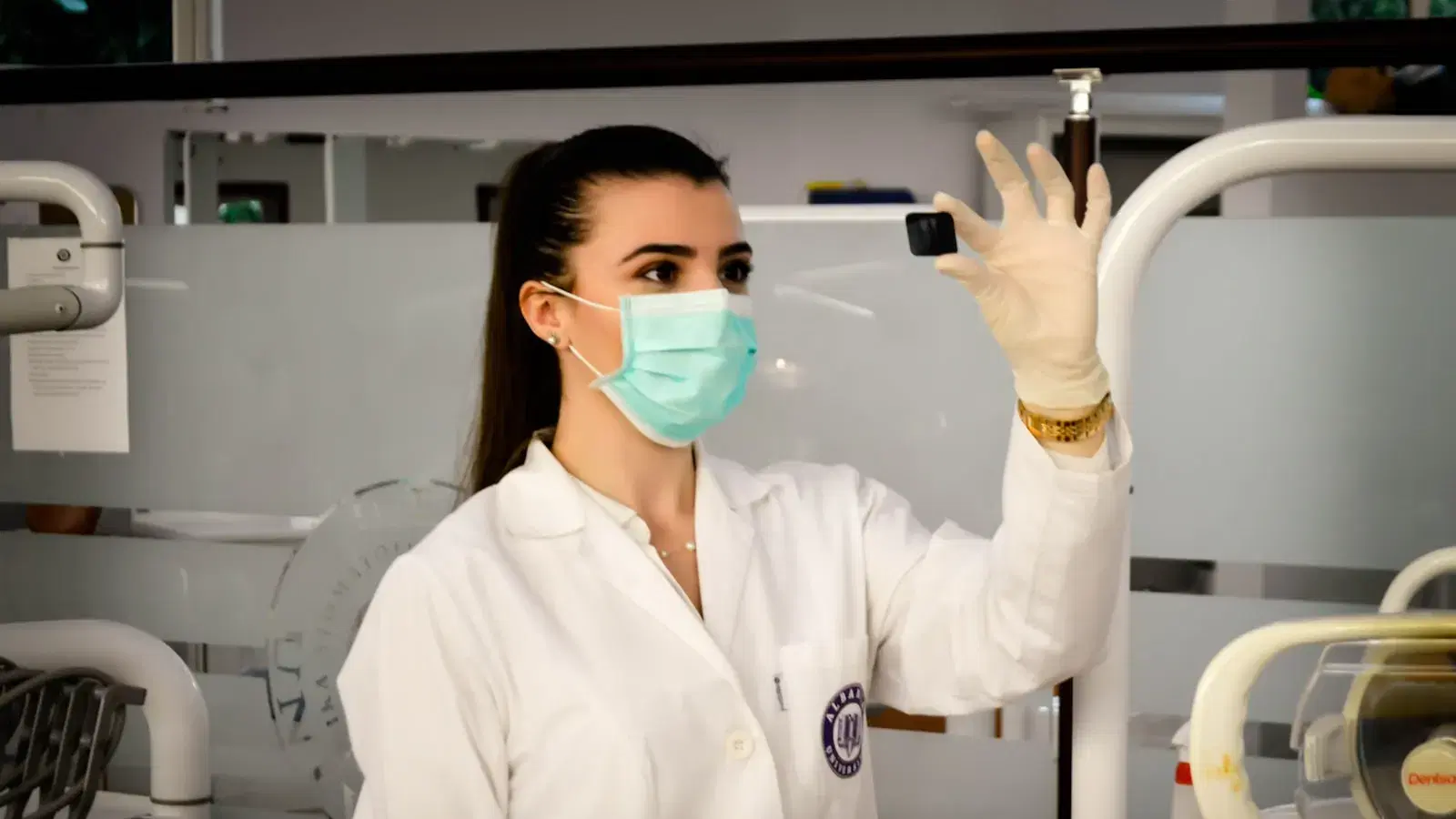
What Is the Bachelor of Dental Surgery (BDS) Course?
The Bachelor of Dental Surgery (BDS) is an undergraduate professional degree for students who want to build a career in dentistry and oral healthcare. It prepares students to understand dental diseases, diagnose oral health problems, and provide appropriate dental treatment under the applicable professional standards.
The course combines theoretical learning, laboratory practice, preclinical training, and supervised clinical experience to help students develop the knowledge and skills required for dental practice. Students learn about oral anatomy, dental diseases, preventive dentistry, diagnosis, and different dental treatment procedures.
During the programme, students gain practical experience in examining patients, understanding oral health conditions, and learning appropriate treatment methods under professional supervision. The compulsory internship provides additional clinical exposure and helps students apply their knowledge in practical healthcare settings.
Students who are interested in healthcare, enjoy working with people, and want to improve oral health may consider BDS as a career option. After completing the degree and meeting the applicable professional registration requirements, graduates can explore dental practice, postgraduate specialisation, research, and other opportunities in the dental healthcare sector.
Students exploring other medical education options can also learn more about the MBBS course and admission process before deciding which pathway suits their interests and qualifications.
BDS Course Details
Before applying for a BDS programme, students should understand its duration, entrance examination, eligibility requirements, and career scope.
Key details of the BDS course:
Full form: Bachelor of Dental Surgery
Course level: Undergraduate professional degree
Course duration: 5 years, including a 1-year compulsory rotating internship
Entrance examination: National Eligibility cum Entrance Test (NEET UG)
Educational qualification: Class 12 or equivalent with the required subjects
Required subjects: Physics, Chemistry, Biology/Biotechnology, and English, subject to applicable regulations
Admission process: NEET UG qualification followed by the applicable counselling and seat-allocation process
Career options: Dentist, dental surgeon, dental researcher, and postgraduate dental specialisation after further study
The exact admission requirements, seat availability, fees, and counselling procedures may vary by institution, state, category, and admission year. Students should check the latest official notifications before applying.
BDS Course Duration
The BDS course takes 5 years to complete in India, including four years of academic and clinical education followed by one year of compulsory rotating internship, as prescribed under the applicable regulations.
The course is designed to help students develop their knowledge of dentistry gradually, from basic medical sciences to clinical dental practice.
Academic Study – 4 Years
The first four years focus on theoretical learning, laboratory work, preclinical training, and supervised clinical education. Students study subjects related to oral health, dental anatomy, dental diseases, diagnosis, prevention, and treatment.
As they progress through the programme, students gain practical exposure to dental procedures and patient care under appropriate supervision.
Compulsory Rotating Internship – 1 Year
After completing the prescribed academic requirements, students undertake a compulsory rotating internship. This stage provides practical experience across relevant dental departments and clinical areas.
The internship helps students strengthen their clinical skills, understand patient management, and apply the knowledge gained during the academic programme.
Students should confirm the applicable internship and completion requirements with their institution and the relevant regulatory authority.
BDS Eligibility Criteria
Students planning to pursue a BDS course in India must satisfy the educational, subject, age, and entrance examination requirements prescribed for the relevant admission year.
The general eligibility requirements include:
Class 12 qualification: Students must have passed Class 12 or an equivalent examination recognised under the applicable admission rules.
Required subjects: Physics, Chemistry, Biology/Biotechnology, and English must be studied as prescribed by the applicable regulations.
Minimum qualifying marks: Students must meet the prescribed aggregate marks requirement in the relevant subjects. The required percentage depends on the applicable category and regulations.
NEET UG qualification: Students must qualify in the NEET UG examination for the relevant admission year.
Age requirement: Students must satisfy the minimum age requirement prescribed for NEET UG and BDS admission.
Document verification: Applicants must provide the required academic certificates, identity documents, and other records during the admission process.
Counselling requirements: Students must follow the relevant counselling, registration, choice-filling, and seat-allocation procedures.
Meeting the basic eligibility requirements does not guarantee admission to a particular college. Admission also depends on the applicable merit criteria, rank, category, seat availability, counselling rules, and institutional requirements.
Students should review the official NEET UG information bulletin and the applicable counselling guidelines before submitting an application.
NEET UG Requirements for BDS Admission
NEET UG is the national-level entrance examination used for admission to undergraduate dental programmes in India, subject to the applicable admission regulations.
Students seeking BDS admission should understand the following requirements:
Appear for NEET UG: Register for and take the NEET UG examination conducted for the relevant admission year.
Meet the qualifying cut-off: Obtain the minimum qualifying result prescribed for the applicable category and admission year.
Understand the cut-off: The qualifying cut-off changes every year. The qualifying percentile and corresponding marks are determined and announced through the official examination process.
Check category requirements: The applicable qualifying criteria may differ according to the candidate's category and the rules in force for that year.
Participate in counselling: Follow the relevant counselling process and submit college choices according to the applicable instructions.
Meet college admission requirements: Satisfy the eligibility, documentation, and other requirements of the allotted institution.
What Is the NEET UG Cut-Off for BDS?
The NEET UG cut-off is an important factor for students planning to study dentistry. However, students should understand the difference between the qualifying cut-off and the marks or rank needed to secure a seat in a particular college.
The NEET UG qualifying cut-off changes every year. It depends on the applicable qualifying criteria and examination results. The National Testing Agency (NTA) conducts NEET UG and publishes the examination results and qualifying information.
The marks or rank needed for admission to a particular BDS college can be different from the minimum qualifying cut-off. Actual admission depends on factors such as the number of applicants, seat availability, category, college preferences, and counselling rules.
Students should check the official NEET UG notification and the relevant counselling authority's information for the admission year in which they intend to apply. Previous years' cut-offs can provide context, but they should not be treated as a guarantee of admission.
BDS Admission Process in India
The BDS admission process generally involves qualifying for NEET UG, registering for the appropriate counselling process, and completing the admission formalities for the allotted college.
Step 1: Check Your Eligibility
Review the educational qualifications, required subjects, minimum marks, and age requirements applicable to BDS admission. Confirm that you meet the prescribed criteria before applying.
Step 2: Register for NEET UG
Complete the NEET UG application process within the official deadline. Provide the required information, upload the prescribed documents, and follow the examination authority's instructions.
Step 3: Appear for NEET UG
Prepare for the examination according to the official syllabus and examination guidelines. Attend the examination and check the results when they are announced.
Step 4: Review Your Result and Cut-Off
After the results are published, check your score, rank, and qualifying status. Remember that meeting the qualifying cut-off allows eligible candidates to proceed within the applicable admission framework but does not guarantee a seat.
Step 5: Participate in Counselling
Register for the relevant counselling process and follow the official schedule. Depending on the seat type and applicable rules, counselling may be conducted by the Medical Counselling Committee (MCC) or the relevant state counselling authority.
Review the available colleges, eligibility conditions, seat categories, and choice-filling instructions before submitting your preferences.
Step 6: Complete Admission Formalities
If a seat is allotted, follow the instructions issued by the counselling authority and college. Complete document verification, fee payment, and reporting within the prescribed deadline.
Students should use official counselling notices to confirm the process, as procedures and deadlines can change between admission years.
Career Opportunities After BDS
A BDS degree can provide a foundation for several career paths in dentistry and oral healthcare. The opportunities available to graduates depend on their qualifications, registration status, skills, experience, and any additional training they complete.
Dentist in Clinical Practice
After completing the required degree, internship, and professional registration formalities, graduates may pursue dental practice in accordance with applicable regulations. Clinical dentists assess oral health, identify dental conditions, and provide appropriate treatment within their professional scope.
Dental Surgeon
BDS graduates may pursue clinical roles involving dental procedures and patient care, subject to their qualifications, registration, and the requirements of the position. Additional qualifications may be necessary for certain specialised roles.
Postgraduate Dental Education
Students who want to develop advanced knowledge in a particular area of dentistry may consider postgraduate education, such as a Master of Dental Surgery (MDS), subject to the applicable eligibility and entrance examination requirements.
Postgraduate specialisation can help graduates develop expertise in selected areas of dental care.
Dental Research
Graduates interested in scientific investigation may explore opportunities in dental research, academic projects, public health research, and related fields. Further qualifications may be useful or required for particular research positions.
Academic and Teaching Careers
Graduates who wish to enter dental education may consider academic pathways after obtaining the additional qualifications and experience required for specific teaching positions.
Public Health and Community Dentistry
Dental professionals may also explore opportunities related to oral health awareness, preventive dental care, community programmes, and public health initiatives, depending on the role and applicable requirements.
Choosing a career path after BDS depends on personal interests and long-term goals. Students should research the qualifications, registration requirements, and experience needed for their preferred profession.
Why Choose a Career in Dentistry?
Dentistry combines healthcare knowledge, practical clinical skills, and patient interaction. It can be a suitable career option for students who are interested in oral health and want to help people maintain or improve their dental wellbeing.
Some reasons students consider dentistry include:
Focus on oral healthcare: Dentists help identify and manage conditions affecting the teeth, gums, and other oral structures.
Practical clinical learning: The BDS programme includes laboratory training and supervised clinical exposure.
Opportunities for further study: Graduates can explore postgraduate education and specialised areas of dentistry.
Different career pathways: Depending on their qualifications and interests, graduates may consider clinical practice, research, teaching, or public health.
Patient interaction: Dental professionals work directly with patients and help them understand oral hygiene, prevention, and treatment options.
Students should consider the academic commitment, practical training, professional responsibilities, and financial costs involved before choosing a BDS programme.
Why IVS for BDS
What you get with our guidance
Understand BDS eligibility — Review the Class 12 subject, marks, age and NEET UG requirements that apply to dental admissions.
Plan for NEET UG — Get clarity on the qualifying cut-off, counselling steps and the documents you will need.
Compare colleges — Weigh recognition and approval status, clinical training, facilities, location and fees before you shortlist.
Navigate admission and counselling — Follow the official MCC or state counselling procedures and deadlines with guidance from IVS Study Links.
Make an informed decision — Align your BDS choice with your academic goals, budget and long-term dental career plans.
FAQ
BDS — Frequently Asked Questions
What is the full form of BDS?
How many years does the BDS course take?
Is NEET UG compulsory for BDS admission?
What are the eligibility criteria for BDS?
Does the NEET UG cut-off for BDS change every year?
Does qualifying NEET UG guarantee a BDS seat?
What can I do after completing BDS?
Can I pursue MDS after BDS?
Is BDS a good career option?
How can I choose a BDS college?
Explore Other Course Streams
Ready to start your BDS journey?
Talk to a counsellor who specialises in this field. Free, honest guidance — call today.