BAMS Admissions
BAMS Colleges in Kerala: Course & Admission Guide
Explore a healthcare path that combines traditional Ayurvedic knowledge with modern medical education. If you are interested in Ayurveda and want to build a career in healthcare, the Bachelor of Ayurvedic Medicine and Surgery (BAMS) may be worth considering.
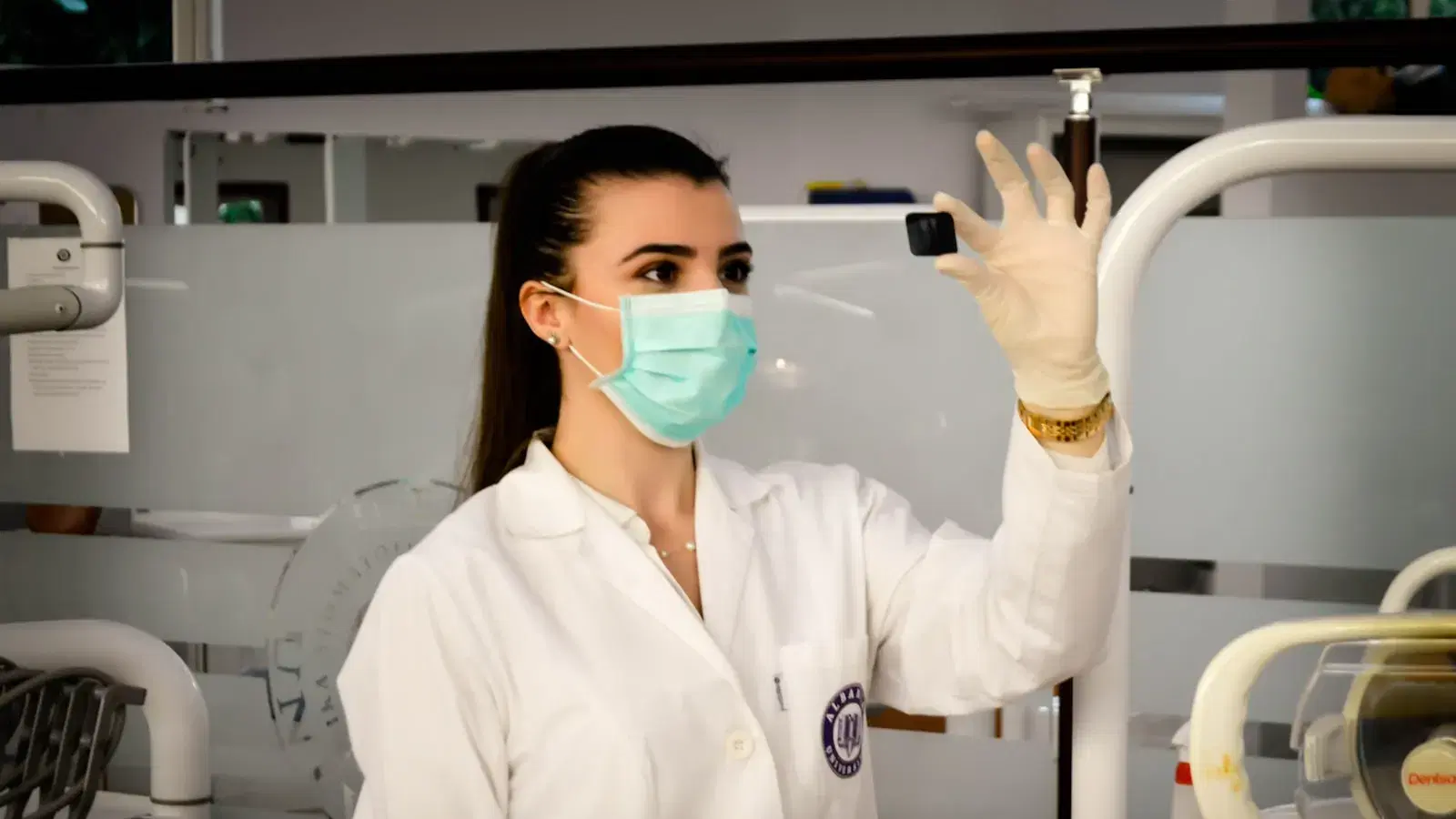
Explore a different path in healthcare with a degree that combines traditional Ayurvedic knowledge with modern medical education. If you are interested in understanding the human body, learning about Ayurveda and building a career in healthcare, the Bachelor of Ayurvedic Medicine and Surgery (BAMS) may be worth considering.
Finding the right BAMS colleges in Kerala is an important step towards this goal. Before choosing a college, you need to understand the course structure, eligibility requirements, NEET-UG admission process, fees and clinical training opportunities. It is equally important to check whether a college is recognised and whether its programme meets the applicable regulatory requirements.
At IVS Study Links, we help students explore college options, understand admission requirements and make informed decisions based on their academic background, preferences and budget.
Whether you are researching BAMS after Class 12 or comparing colleges before applying, this guide will help you understand the course and plan your next steps.
Programs Offered
BAMS — Bachelor of Ayurvedic Medicine and Surgery
An undergraduate professional medical degree focused on Ayurveda, India's traditional system of medicine, alongside relevant modern medical sciences. Typical duration: five and a half years, including the prescribed compulsory internship. Entrance examination: NEET-UG, subject to the applicable admission regulations.
What Is BAMS?
BAMS stands for Bachelor of Ayurvedic Medicine and Surgery. It is an undergraduate medical degree focused on Ayurveda, India's traditional system of medicine, alongside relevant modern medical sciences.
Ayurveda approaches health through concepts that include bodily functions, lifestyle, diet, individual constitution and overall well-being. During the BAMS programme, students study the principles of Ayurveda while developing an understanding of subjects such as anatomy, physiology, pathology, diagnostics and clinical practice.
The course combines classroom learning, practical sessions and supervised clinical exposure. Students gradually build their knowledge of Ayurvedic concepts, medicinal plants, traditional formulations and approaches to patient assessment and care.
BAMS is a regulated professional programme, not simply a short course in Ayurvedic wellness. Students must complete the prescribed academic training and compulsory internship requirements. Professional practice is also subject to the applicable registration and regulatory rules.
For students who are interested in Ayurveda and willing to undertake a comprehensive medical education, BAMS offers a distinct route into the healthcare sector.
Why Consider BAMS Colleges in Kerala?
Kerala is a state with an established cultural association with Ayurveda. Students exploring Ayurvedic education may therefore wish to consider colleges located within the state.
However, choosing a college should involve more than its location or reputation. The quality of academic facilities, access to clinical training, institutional recognition and total cost of education all deserve careful attention.
When comparing BAMS colleges in Kerala, consider the following factors.
Recognition and approval: Check the institution's current recognition status and whether the BAMS programme is approved for the relevant academic year. Verify the applicable requirements through the competent regulatory authorities.
Teaching and clinical facilities: Review the availability of teaching facilities, laboratories, library resources and clinical training arrangements. Ask how students gain supervised experience as part of their programme.
Hospital exposure: Practical learning is an important part of medical education. Understand the clinical facilities available to students and how patient-care training is organised.
Location and accommodation: Consider the distance from home, transport options, hostel availability, food and everyday living expenses.
Fees and affordability: Compare tuition fees alongside other compulsory charges. Hostel accommodation, examination fees, books, travel and personal expenses may increase the overall cost.
Admission requirements: Make sure you understand the applicable NEET-UG requirements, Kerala counselling procedure, eligibility conditions and deadlines.
A careful comparison will help you identify colleges that suit your academic goals and practical circumstances. Do not rely on advertisements or informal claims alone; verify important details before paying any admission-related amount.
BAMS Course Details at a Glance
Before applying, it helps to understand the basic structure of the programme.
Full course name: Bachelor of Ayurvedic Medicine and Surgery
Degree: BAMS
Level: Undergraduate professional medical programme
Typical duration: Five and a half years, including the prescribed compulsory internship
General academic route: Class 12 or an equivalent qualification with the required science subjects
Entrance examination: NEET-UG, subject to the applicable admission regulations
Main areas of study: Ayurvedic principles, human anatomy, physiology, pathology, medicinal plants, Ayurvedic formulations, diagnostics and clinical training
Career direction: Ayurvedic healthcare, further studies, research, teaching and related fields, subject to eligibility and applicable regulations
The exact curriculum, admission conditions and internship requirements must be confirmed against the regulations and prospectus applicable to your admission year.
BAMS Eligibility Criteria
Understanding the BAMS eligibility criteria is essential before you begin the application process. Meeting the general educational requirements does not automatically guarantee admission, as candidates must also satisfy the applicable entrance examination, age, merit and counselling conditions.
Educational qualification
Students generally need to have completed Class 12 or an equivalent recognised examination with Physics, Chemistry and Biology or other subjects permitted under the regulations applicable to BAMS admission.
Candidates should check the precise subject requirements and minimum qualifying marks specified for their admission year. The conditions may differ according to the applicable rules and candidate category.
If you are currently studying in Class 12, review the eligibility conditions early so you can prepare the necessary documents and meet application deadlines.
NEET-UG qualification
NEET-UG is the entrance examination used for undergraduate BAMS admissions under the applicable admission framework. Candidates must meet the relevant qualifying requirements and follow the prescribed admission procedure.
Qualifying NEET-UG is an important step, but it does not by itself guarantee a seat in a particular college. Admission depends on factors such as the applicable merit list, candidate eligibility, seat availability, counselling rules and the choices submitted during the admission process.
Age and other conditions
Candidates must satisfy the age requirements, documentation rules and other conditions specified in the relevant admission notification or prospectus.
Because eligibility requirements can change, students should consult the official NEET-UG information and the current Kerala admission prospectus rather than rely solely on older articles or unofficial summaries.
Can you pursue BAMS after Class 12?
Yes. BAMS is an undergraduate programme intended for eligible candidates who have completed the required higher-secondary education.
If you have studied the required science subjects and intend to pursue Ayurveda as a medical career, your next steps are to check the current eligibility criteria, prepare for NEET-UG and understand the relevant counselling procedure.
If you are unsure whether your subjects, marks or educational qualifications meet the requirements, seek clarification before applying.
BAMS Admission in Kerala: How the Process Works
Students looking for BAMS admission in Kerala should understand both the national entrance examination requirements and the state-level admission process.
The exact steps and deadlines depend on the academic year. The following is a general overview of how candidates can prepare.
Step 1: Check your eligibility
Start by confirming that your Class 12 subjects, qualifying examination and other details meet the current BAMS admission requirements.
Review the official prospectus carefully, especially if you have completed an equivalent qualification or have questions about your eligibility category.
Step 2: Appear for NEET-UG
Register for NEET-UG through the official examination authority and follow the instructions for the relevant year.
Prepare for the examination according to the published syllabus and examination schedule. Keep your application details and examination documents safe for use during admission.
Step 3: Follow Kerala's official admission notifications
Candidates seeking seats in Kerala should monitor the relevant notifications issued by the Commissioner for Entrance Examinations (CEE), Kerala, and other competent authorities as applicable.
The state admission process may involve registration, submission of required information, preparation or publication of merit lists, option entry and seat allotment. Follow the current prospectus to understand which steps apply to you.
Do not assume that registering for NEET-UG automatically completes the separate state admission formalities.
Step 4: Review available colleges and seats
Once the applicable counselling process begins, review the colleges and course options available to you.
Check the institution, seat category, fee details, location and other relevant conditions before submitting your choices. Your options should reflect your preferences while taking your eligibility and likely admission prospects into account.
Seat availability and allotment rules can vary by round and academic year.
Step 5: Complete allotment and admission formalities
If you receive an allotment, carefully follow the official instructions for fee payment, document verification, reporting and joining the institution.
Keep copies of your allotment information, payment receipts and submitted documents. Before paying, verify the official payment instructions and the institution's details.
Step 6: Confirm the final details
Before accepting admission, confirm the college's recognition status, the applicable fee structure, the programme's duration and the clinical training arrangements.
If you are comparing multiple options, make sure you understand the conditions associated with each seat before making a final decision.
Important: Admission rules, application dates, counselling rounds and seat availability can change from year to year. Use the official CEE Kerala website and the relevant NEET-UG notifications for current information.
What Will You Study During the BAMS Course?
The BAMS curriculum combines traditional Ayurvedic education with relevant modern medical sciences. The aim is to develop a structured understanding of health, disease, assessment and patient care within the scope of Ayurvedic practice.
The exact subject sequence and teaching arrangements depend on the applicable curriculum and regulations.
Ayurvedic fundamentals
Students learn the foundational concepts and classical principles of Ayurveda. These studies introduce the traditional framework used to understand health, individual constitution, diet, lifestyle and disease.
The subjects help students develop the background needed to understand later clinical and practical learning.
Anatomy and physiology
Anatomy focuses on the structure of the human body, while physiology examines how the body's systems function.
These subjects provide essential background for medical education and help students understand the relationship between bodily structures, functions and health.
Ayurvedic diagnostic principles
Students learn about approaches to patient assessment and the traditional diagnostic concepts used in Ayurveda.
This area of study introduces clinical reasoning within the relevant framework and helps prepare students for supervised clinical learning.
Pathology and other medical sciences
The curriculum includes relevant medical science subjects that support the study of disease, clinical assessment and patient care.
Understanding these subjects helps students develop a broader foundation for their professional education.
Medicinal plants and Ayurvedic formulations
Students explore medicinal plants, traditional ingredients and Ayurvedic preparations as prescribed by the curriculum.
Learning in this area may cover their traditional uses, identification, preparation and relevant principles of quality and safe handling.
Clinical training and internship
Practical and clinical learning helps students connect theoretical knowledge with supervised patient-care experience.
The prescribed compulsory internship is an important part of BAMS education. Students should confirm the current internship requirements and clinical training arrangements with the institution and applicable regulatory authorities.
The programme requires sustained commitment. Students should be prepared for a combination of academic study, practical work, examinations and clinical responsibilities.
How to Choose the Right BAMS College in Kerala
Finding suitable BAMS colleges in Kerala involves comparing institutions against your individual needs rather than selecting a college based on one factor alone.
Use the following checklist when evaluating your options.
1. Verify recognition and regulatory status
Check the institution's current status through the relevant official authorities. Confirm that the specific BAMS programme and the available seats meet the applicable requirements for the academic year in which you intend to enrol.
Do not assume that an institution's general reputation or its association with healthcare makes every course it offers automatically recognised.
2. Compare the complete fee structure
Ask for a written breakdown of tuition and compulsory fees. Check whether the institution has separate charges for admission, examinations, university registration, laboratory use, hostel accommodation or other services.
Also estimate your living costs over the full duration of the programme. Comparing the total expected cost is more useful than looking at tuition alone.
3. Assess clinical exposure
Find out where students receive clinical training, what facilities are available and how supervised learning is organised.
You can also ask about the structure of practical sessions and the arrangements for completing the compulsory internship.
4. Check location and student facilities
Think about whether you prefer a college close to home or are comfortable relocating. Consider accommodation, transport, food, safety, study facilities and access to everyday services.
These factors may affect your comfort and ability to focus on a demanding professional programme.
5. Understand the admission route
Confirm how seats are filled and which official process applies to the institution and seat category you are considering.
Understand the relevant counselling rules, required documents, deadlines and payment procedures before making commitments.
6. Consider your long-term goals
Reflect on what you hope to do after completing BAMS. You may be interested in clinical practice, further education, academic work, research or another healthcare-related field.
Choose a programme that provides the recognised qualification, academic foundation and training relevant to your intended direction.
7. Ask questions before committing
Request clear answers about fees, refunds, admission conditions, internship arrangements and the documents you will receive.
A reliable decision should be based on verifiable information, not pressure to pay quickly or promises of guaranteed admission.
BAMS Fees in Kerala: What Should You Budget For?
The cost of studying BAMS depends on the institution, seat category and applicable fee rules. Government and private institutions may have different fee structures, and fees can vary between colleges.
For this reason, there is no single fee figure that can accurately represent every BAMS college in Kerala.
Before preparing your budget, check the following expenses:
Tuition fees for the relevant academic year
Admission, registration and examination charges
Hostel fees and food expenses, if applicable
Books, study materials and other academic requirements
Travel and daily living expenses
Other compulsory institutional charges, where applicable
Ask the college for its current official fee schedule and clarify which charges are payable each year. If fees are regulated or published by a competent authority, check the relevant official notification.
You should also ask about the applicable refund policy and payment deadlines before accepting a seat.
IVS Study Links can help you understand the fee information available for your shortlisted options and compare colleges according to your budget. Any scholarship, concession or education-loan option should be checked for its actual eligibility conditions and availability.
A realistic financial plan can help you compare options more confidently and avoid unexpected expenses during your studies.
Career Opportunities After BAMS
A BAMS degree can provide a foundation for several professional directions. The opportunities available to each graduate depend on the qualification, applicable registration requirements, further training and the rules governing the role.
Ayurvedic clinical practice
Eligible graduates may pursue Ayurvedic clinical practice after completing the required qualification and meeting the applicable registration and professional requirements.
Clinical practice involves working within the permitted professional scope and following relevant standards of patient care.
Ayurvedic hospitals and clinics
Graduates may explore suitable roles in Ayurvedic hospitals, clinics and other healthcare settings, depending on their qualifications and the requirements of the employer.
The nature of the role can vary according to the institution and the graduate's training.
Panchakarma and wellness centres
Some graduates may explore opportunities in settings that provide Ayurveda-related wellness services and traditional therapies.
The responsibilities permitted in these settings depend on professional qualifications, training and applicable regulations. Graduates should not assume that every wellness role has the same requirements as clinical practice.
Pharmaceutical and herbal product sectors
The Ayurvedic pharmaceutical and herbal product sectors may offer opportunities in areas such as product-related work, quality processes, documentation or other suitable functions.
Specific roles may require additional qualifications, experience or specialised training.
Research and academic work
Graduates interested in academic or research careers may consider further education and relevant research training.
Teaching and research positions can have specific eligibility requirements, so candidates should review the qualifications required for each role.
Public health and related fields
Depending on the role and applicable eligibility criteria, graduates may explore opportunities connected with healthcare programmes, wellness initiatives or related organisations.
Available positions and professional requirements vary, and employment should not be considered automatic upon completing the degree.
Postgraduate studies and specialisation
Graduates may consider postgraduate education in Ayurveda or related fields where they meet the relevant admission requirements.
Further study can help candidates develop specialised knowledge and pursue more focused academic or professional goals.
Is BAMS the Right Course for You?
BAMS may suit you if you are interested in healthcare, want to study Ayurveda in depth and are prepared for a structured medical education.
It is worth considering if you:
Have an interest in human health and traditional medical knowledge.
Are willing to study both Ayurvedic concepts and modern medical sciences.
Understand that the course involves sustained academic work and clinical training.
Are prepared to complete the prescribed internship requirements.
Want to explore professional opportunities connected with Ayurvedic healthcare.
Are willing to check the admission, registration and professional requirements that apply to your intended career.
Before deciding, learn about the curriculum, course duration, costs and practical demands of the programme. It can also help to compare BAMS with other healthcare courses based on your interests, eligibility and long-term goals.
You do not need to make the decision based only on what friends or family members recommend. Take time to understand the course and choose a direction that fits your own priorities.
Representative Universities & Colleges
A selection of reputed institutions we work with for bams admissions.
Why IVS for BAMS
What you get with our guidance
Understand your options — Discuss your academic background, course preferences and plans before narrowing down suitable college options.
Review eligibility and admission requirements — Understand the general requirements and identify the official rules and notifications you need to check.
Compare colleges — Evaluate available information about location, fees, facilities, recognition and other factors relevant to your decision.
Plan your budget — Review available fee information and understand which additional expenses you should consider when comparing institutions.
Navigate the admission process — Get guidance on the application and admission steps relevant to your chosen options, while following the official procedures and deadlines.
Make a more informed decision — Consider your academic goals, budget and personal preferences before deciding where to apply.
FAQ
BAMS — Frequently Asked Questions
What is the full form of BAMS?
How long does the BAMS course take to complete?
What are the eligibility requirements for BAMS?
Is NEET-UG required for BAMS admission in Kerala?
How can I apply to BAMS colleges in Kerala?
What is the fee for studying BAMS in Kerala?
Are government and private BAMS colleges available in Kerala?
What career options are available after BAMS?
Can I pursue postgraduate studies after BAMS?
How can IVS Study Links help me choose a BAMS college?
How do I know whether a BAMS college is recognised?
Can IVS Study Links guarantee BAMS admission?
Explore Other Course Streams
Ready to start your BAMS journey?
Talk to a counsellor who specialises in this field. Free, honest guidance — call today.