Healthcare Courses After Plus Two: Career Guide
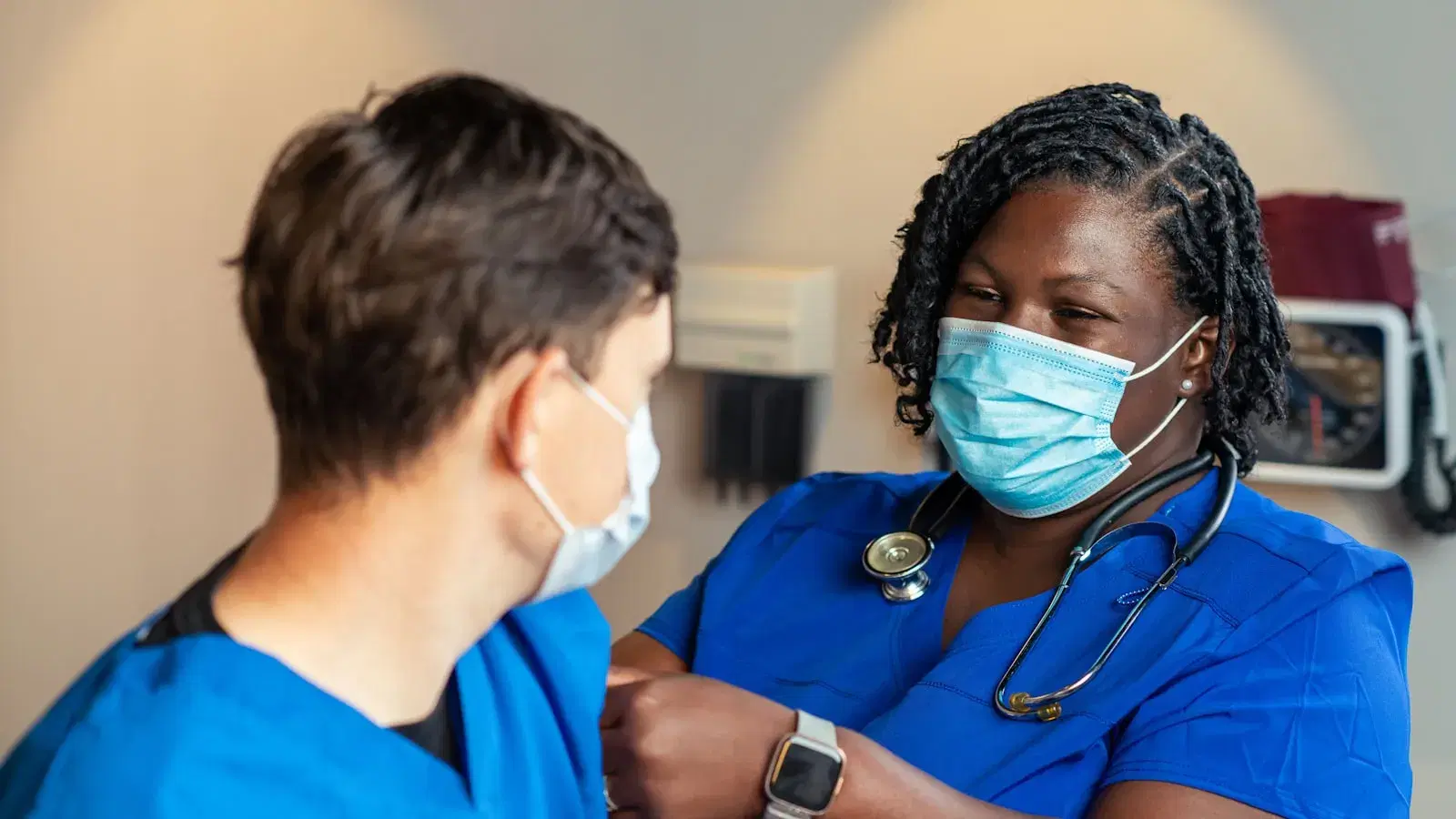
Choosing a career after Plus Two can feel overwhelming, especially when you are interested in healthcare. Many students immediately think of MBBS, but the healthcare sector offers several other educational pathways, including nursing, pharmacy, physiotherapy, medical laboratory technology, medical imaging and other allied health programmes.
Each course prepares students for different responsibilities. Some focus on diagnosing illnesses, some involve patient care, while others concentrate on medicines, rehabilitation or specialised medical equipment.
The right choice depends on your Plus Two subjects, academic performance, interests, budget and long-term plans. You should also understand the course duration, admission requirements and professional recognition before selecting a college.
This guide to healthcare courses after Plus Two explains the main options, who can consider them, the career pathways they may offer and how to choose a suitable college in Kerala.
What Are the Different Healthcare Courses After Plus Two?
Healthcare education includes several types of programmes. Understanding these categories can help you narrow down your options before comparing individual colleges.
| Course category | Examples | Main area of study |
|---|---|---|
| Medical degrees | MBBS, BDS | Medicine and dental care |
| AYUSH programmes | BAMS, BHMS | Traditional Indian systems of medicine |
| Nursing | B.Sc Nursing, GNM | Nursing practice and patient care |
| Pharmacy | B.Pharm, D.Pharm, Pharm.D | Medicines, pharmaceutical science and pharmacy practice |
| Allied health and paramedical-related programmes | B.Sc MLT, Medical Imaging Technology, Dialysis Technology | Diagnostics and specialised clinical support |
| Rehabilitation | BPT, BOT | Physical rehabilitation and everyday functioning |
| Communication and hearing | BASLP | Hearing, speech, language and communication |
| Other healthcare pathways | Physician Assistant and selected healthcare technology programmes | Clinical support and specialised healthcare services |
This is a broad overview, not a complete list of every available qualification. Course names, duration, eligibility and admission procedures depend on the programme and institution.
1. MBBS: Bachelor of Medicine and Bachelor of Surgery
MBBS is an undergraduate medical degree for students who want to pursue the pathway towards becoming a medical doctor.
The programme covers medical sciences, clinical subjects and supervised clinical training. Students gradually develop knowledge and skills related to understanding diseases, examining patients and managing medical conditions within their training and professional scope.
Who Can Consider MBBS?
Students must meet the applicable academic eligibility requirements and qualify through the prescribed admission process. For MBBS admission in India, NEET-UG is the required entrance examination, subject to the current rules and eligibility conditions.
Applicants should check the latest official information from the National Testing Agency, the National Medical Commission and the relevant admission authority.
Career Pathways After MBBS
After completing the degree and meeting the applicable internship, registration and licensing requirements, graduates can pursue medical practice within the permitted scope of their qualification. They may also consider postgraduate medical education to specialise in particular fields.
MBBS involves a substantial commitment of time, study and clinical training. Students should choose it because they are interested in medical education and patient care, rather than only because it is perceived as a prestigious career.
2. BDS: Bachelor of Dental Surgery
BDS is an undergraduate degree focused on oral health and dental care. It introduces students to dental sciences, oral diagnosis, preventive dentistry and the treatment of dental conditions.
The programme includes academic study and clinical training under the applicable curriculum.
Who Should Consider BDS?
BDS may suit students who are interested in oral healthcare, working with patients and developing practical clinical skills.
Admission requires meeting the prescribed eligibility criteria and the applicable entrance and counselling requirements. NEET-UG is used for undergraduate dental admissions in India; students should verify the current rules for their intended institution and admission route.
Career Opportunities After BDS
After completing the required training and registration formalities, graduates may pursue dental practice within the applicable regulations. Further study can provide opportunities to specialise in areas of dentistry.
Before applying, compare the institution's recognition, clinical facilities, course structure and total cost.
3. AYUSH Courses: BAMS and BHMS
Students interested in recognised Indian systems of medicine may explore programmes such as Bachelor of Ayurvedic Medicine and Surgery (BAMS) and Bachelor of Homoeopathic Medicine and Surgery (BHMS).
These are distinct professional degree programmes, each with its own curriculum, regulatory framework and admission requirements.
BAMS
BAMS focuses on Ayurveda and its approach to health, disease prevention and treatment. The programme combines relevant medical sciences with Ayurvedic subjects and clinical learning.
Students interested in this pathway should investigate the curriculum, applicable regulatory requirements and the institution's approval status.
BHMS
BHMS focuses on homoeopathic medicine, including its principles, related medical subjects and clinical training under the applicable curriculum.
Students should understand the nature of the programme and the professional framework before choosing it.
Admission Requirements
For BAMS and BHMS admissions in India, NEET-UG is generally a key entrance requirement under the applicable rules. Candidates must also satisfy the relevant academic eligibility criteria and follow the official counselling or admission procedure.
Do not assume that the admission rules for every healthcare degree are identical. Always check the latest official prospectus.
4. Nursing Courses After Plus Two
Nursing is an important part of healthcare delivery. Nurses support patients throughout treatment and recovery, monitor health conditions, administer care within their professional scope and work alongside other healthcare professionals.
Students considering nursing can explore different qualifications, including B.Sc Nursing and General Nursing and Midwifery (GNM).
B.Sc Nursing
B.Sc Nursing is an undergraduate degree that covers nursing fundamentals, anatomy, physiology, community health, patient care and other subjects specified by the curriculum.
The programme combines classroom learning with practical and clinical training.
It may suit students who enjoy patient interaction, teamwork, healthcare education and supporting people during illness and recovery.
General Nursing and Midwifery (GNM)
GNM is a nursing diploma programme focused on nursing practice, patient care, community health and midwifery. Its eligibility, duration and professional requirements differ from those of B.Sc Nursing.
Students should check the current admission prospectus and the applicable nursing registration requirements before enrolling.
Career Opportunities in Nursing
Depending on the qualification, registration and employer requirements, graduates may explore opportunities in hospitals, clinics, community health services and other healthcare settings.
Further education can provide opportunities to develop specialised nursing knowledge or pursue other eligible academic pathways.
Students considering overseas employment should understand that a nursing qualification does not automatically permit practice in another country. Registration, language proficiency, examinations and other requirements may apply.
For more information, visit the B.Sc Nursing and Allied Health page at IVS Study.
5. Pharmacy Courses After Plus Two
Pharmacy education focuses on medicines, pharmaceutical science, medication use and related healthcare services. Students can explore different qualifications depending on their academic background and career goals.
Common options include B.Pharm, D.Pharm and Pharm.D.
B.Pharm: Bachelor of Pharmacy
B.Pharm is an undergraduate degree covering pharmaceutical sciences, including subjects related to medicines, drug formulation, quality control and pharmacy practice.
The curriculum and practical training prepare students for further development in pharmaceutical and pharmacy-related fields, subject to applicable registration and professional requirements.
D.Pharm: Diploma in Pharmacy
D.Pharm is a diploma-level pharmacy programme. It has a different duration, curriculum and progression pathway from B.Pharm.
Students should confirm the current admission requirements and the applicable pharmacy education and registration rules.
Pharm.D: Doctor of Pharmacy
Pharm.D is a professional pharmacy programme with a clinical focus. The entry route, duration and training requirements should be checked against the current rules of the relevant institution and pharmacy authorities.
It is different from MBBS and should not be confused with a medical degree for becoming a physician.
Career Pathways in Pharmacy
Depending on the qualification, registration and employer requirements, graduates may explore pharmacy practice, pharmaceutical companies, quality-related functions, regulatory support, research-related roles or further study.
The available pathways depend on the specific programme completed. Review the applicable professional requirements before selecting a course.
To explore further, see the Pharmacy Colleges in Kerala page at IVS Study.
6. Paramedical and Allied Health Courses After Plus Two
Not every student interested in healthcare wants to become a doctor or nurse. Allied health and paramedical-related programmes prepare students for specialised roles that support diagnosis, treatment, rehabilitation and clinical services.
These programmes can involve laboratory testing, medical imaging, dialysis, respiratory care, cardiovascular technology and other specialised areas.
The exact course title, classification and eligibility can vary between institutions. Students should verify the qualification offered and its applicable recognition or approval status.
B.Sc Medical Laboratory Technology (B.Sc MLT)
Medical Laboratory Technology focuses on analysing clinical samples to support medical diagnosis. Depending on the curriculum, students may study laboratory procedures, microbiology, clinical biochemistry, haematology and quality control.
This may suit students interested in laboratory work, diagnostic testing and scientific procedures.
Medical Imaging Technology
Medical Imaging Technology involves the use of specialised equipment to produce images that assist healthcare professionals in diagnosis.
Course content may include imaging procedures, anatomy, patient positioning, equipment operation and safety practices. Check the exact qualification title and curriculum before applying.
Operation Theatre and Anaesthesia Technology
These programmes focus on technical support in surgical and anaesthesia-related settings. Depending on the course, students may learn about operation theatre preparation, surgical equipment, infection control and perioperative procedures.
The programme's practical training arrangements and professional scope should be reviewed carefully.
Dialysis Technology
Dialysis Technology focuses on the equipment and procedures used to support patients receiving dialysis. The curriculum may cover dialysis equipment, patient monitoring, infection control and relevant clinical practices.
Respiratory Therapy
Respiratory Therapy focuses on supporting the assessment and management of patients with breathing and respiratory conditions. Training may include respiratory care procedures, monitoring and the use of specialised equipment.
Perfusion Technology
Perfusion Technology involves specialised training related to equipment that supports circulation and oxygenation during certain cardiac procedures.
Students should review the clinical training requirements, course duration and applicable eligibility criteria.
Cardiovascular Technology
Cardiovascular Technology focuses on specialised diagnostic and clinical procedures related to the heart and circulatory system. Depending on the curriculum, students may study cardiovascular testing, patient monitoring and related equipment.
Optometry
Optometry focuses on vision assessment, eye health and the use of relevant optical instruments. Students should understand the scope of the specific qualification and the professional requirements that apply to their intended work.
Emergency and Trauma Care
Emergency and Trauma Care programmes may cover emergency response, patient assessment, trauma-related procedures and clinical support.
The exact responsibilities associated with a qualification depend on its curriculum, training and applicable professional framework.
Other Allied Health Programmes
Depending on availability and eligibility, students may also explore:
- Bachelor of Physiotherapy (BPT)
- Bachelor of Occupational Therapy (BOT)
- Bachelor of Audiology and Speech-Language Pathology (BASLP)
- B.Sc Physician Assistant
- B.Sc Radiodiagnosis Technology
These programmes have different curricula and professional pathways. They should not be treated as interchangeable qualifications.
How to Choose an Allied Health Course
Before applying, check:
- The exact qualification and degree title.
- Academic eligibility and required Plus Two subjects.
- Course duration and practical training requirements.
- The institution's recognition or approval status.
- The curriculum and facilities available.
- Professional registration or licensing requirements, where applicable.
- The total fees and other education expenses.
Students can also review the IVS Study B.Sc Nursing and Allied Health page to explore related course options.
7. Physiotherapy and Rehabilitation Courses
Rehabilitation programmes focus on helping individuals improve function, movement, communication or participation in everyday activities.
Some qualifications overlap with the broader allied health category, but they have their own curricula and professional requirements.
Bachelor of Physiotherapy (BPT)
BPT focuses on movement, physical function and rehabilitation. Students learn approaches used to help individuals improve mobility and manage limitations associated with injuries, illnesses and other conditions.
The programme includes theoretical study and practical training. Students should check the current eligibility criteria, duration and professional requirements.
Bachelor of Occupational Therapy (BOT)
Occupational Therapy focuses on helping people develop or regain the skills required for daily activities. Depending on the curriculum, students may study functional assessment, rehabilitation and approaches that support independence.
BASLP
Bachelor of Audiology and Speech-Language Pathology focuses on hearing, speech, language and communication assessment and rehabilitation.
Students interested in communication-related healthcare should review the curriculum, clinical training and applicable professional requirements.
Who Should Consider Rehabilitation Programmes?
These programmes may interest students who want to understand how healthcare can help people improve physical function, communication or everyday independence.
Compare the actual course content and practical training before deciding. The professional responsibilities and registration requirements vary by qualification.
8. How to Choose the Right Healthcare Course
With several courses available, it helps to use a clear decision-making process rather than choosing based only on popularity.
Start With Your Plus Two Subjects
Your academic background can determine which programmes you are eligible to apply for.
Many medical and allied health degrees have specific science-subject requirements. Other programmes may have different criteria.
Check the latest official admission prospectus for each course. Do not assume that eligibility for one programme automatically makes you eligible for another.
Think About the Type of Work You Prefer
Different healthcare roles involve different day-to-day responsibilities.
- If you are interested in diagnosing and treating patients as a doctor, investigate the relevant medical degree pathway.
- If you enjoy ongoing patient care and teamwork, consider nursing.
- If laboratory testing and diagnostic science interest you, explore Medical Laboratory Technology.
- If you are interested in medicines, pharmaceutical science and pharmacy practice, investigate pharmacy programmes.
- If you enjoy movement and rehabilitation, physiotherapy may be worth exploring.
- If specialised clinical equipment interests you, compare relevant allied health programmes.
These examples can help you narrow your choices, but the actual curriculum and professional scope should guide your decision.
Check Course Duration and Training
Some healthcare programmes require substantial clinical or practical training. Course duration, internship requirements and clinical exposure vary.
Ask the institution how practical learning is organised, where training takes place and what requirements must be completed before graduation.
Verify Recognition and Professional Requirements
A college may offer multiple programmes, but the recognition or approval status can differ by course.
Check the institution, awarding university and specific programme against the relevant official requirements. For regulated professions, understand the registration or licensing rules that apply after graduation.
If you plan to work abroad, investigate the requirements of your intended destination country.
Compare Fees and Total Costs
Your budget should include more than tuition fees. Consider admission charges, examination fees, accommodation, food, transport, books, uniforms and other relevant expenses.
If you are considering scholarships or education loans, confirm the eligibility criteria and terms before relying on that funding.
Consider Your Long-Term Plans
Think about whether you may want to pursue postgraduate study, professional specialisation or employment in another location.
You do not need to decide every detail of your future now, but understanding possible progression routes can help you compare courses more effectively.
9. Healthcare Admission in Kerala: What Should You Know?
Admission procedures vary across healthcare programmes. Some degrees require national entrance examinations, while other programmes may follow state-level admission processes, merit-based selection or institution-specific procedures under the applicable rules.
For example, MBBS and BDS admissions use NEET-UG. Kerala also publishes official admission information for nursing and allied health programmes through the relevant authorities and admission portals.
Before applying, take the following steps.
Step 1: Shortlist the courses. Identify programmes that match your subjects, interests and academic eligibility.
Step 2: Read the official prospectus. Check the current eligibility requirements, application dates, admission route and selection criteria.
Step 3: Verify the institution and course. Confirm the qualification awarded and the applicable recognition or approval status.
Step 4: Prepare the required documents. These may include academic certificates, mark sheets, identity documents, photographs and other documents specified by the admission authority.
Step 5: Compare the total cost. Obtain the latest official fee details and understand any additional expenses.
Step 6: Review the admission offer. Before making payment, confirm the course, college, fee structure, refund conditions and admission terms.
Use official sources for time-sensitive admission information because requirements and deadlines can change between academic years.
10. Common Mistakes to Avoid When Choosing a Healthcare Course
Choosing a Course Only Because It Is Popular
A course that is popular among friends or relatives may not match your interests or eligibility. Compare the actual work, curriculum and professional requirements.
Assuming Every Healthcare Course Requires the Same Subjects
Admission requirements vary considerably. Check the current rules for each programme rather than relying on general advice.
Believing a Degree Guarantees a Job
A qualification does not guarantee employment, salary or overseas opportunities. Outcomes depend on skills, training, experience, registration requirements and employer needs.
Ignoring the College's Recognition Status
Before paying fees, verify the specific programme and the institution's relevant approvals. Do not rely only on promotional material.
Overlooking Clinical Training
Practical and clinical learning can be essential in healthcare education. Ask how the college arranges training and whether the programme meets the applicable requirements.
Choosing Based Only on Course Fees
Compare the complete cost of education and investigate whether the course provides the training and qualification you need.
Frequently Asked Questions About Healthcare Courses After Plus Two
Which healthcare courses can I study after Plus Two?
Depending on your subjects and eligibility, options may include MBBS, BDS, BAMS, BHMS, B.Sc Nursing, GNM, B.Pharm, D.Pharm, Pharm.D, Medical Laboratory Technology, Medical Imaging Technology, Physiotherapy and other allied health programmes.
Which healthcare courses are available after Plus Two Science?
Students from the Science stream may be eligible for a range of medical, nursing, pharmacy and allied health programmes. The exact options depend on the subjects studied, marks and the admission requirements of each course.
Can I study healthcare without choosing MBBS?
Yes. Healthcare includes nursing, pharmacy, allied health, rehabilitation and other specialised pathways. Each has a different role, curriculum and eligibility criteria.
Is NEET required for every healthcare course?
No. NEET-UG is required for certain undergraduate medical and dental programmes and applies to other specified programmes under the relevant rules. Many nursing, pharmacy and allied health programmes follow their own admission requirements. Always check the current official prospectus for your chosen course.
Which paramedical courses can I explore after Plus Two?
Depending on your eligibility and course availability, options may include Medical Laboratory Technology, Medical Imaging Technology, Dialysis Technology, Respiratory Therapy, Perfusion Technology, Optometry and other specialised programmes.
What is the difference between nursing and allied health courses?
Nursing focuses on nursing practice and patient care. Allied health programmes cover a range of specialised fields such as diagnostics, rehabilitation and clinical technology. The specific responsibilities and professional requirements depend on the qualification.
Can I study pharmacy after Plus Two?
Eligible students may be able to apply for B.Pharm, D.Pharm or Pharm.D, depending on their academic background and the programme's admission criteria. Check the current official requirements and applicable pharmacy regulations.
How do I choose a healthcare college in Kerala?
Compare the institution's recognition, course eligibility, curriculum, clinical or practical training, fees, location and admission procedures. Verify the latest information through the relevant official authorities before applying.
Can healthcare graduates work abroad?
Some healthcare qualifications may provide pathways to overseas employment, but requirements vary by country and profession. Registration, licensing examinations, language proficiency, additional training or experience may be necessary.
How can IVS Study Links help with healthcare admissions?
IVS Study Links helps students explore healthcare course options, understand admission requirements and compare suitable institutions. Contact the team to discuss your academic background and the guidance available for your preferred course.
Plan Your Healthcare Education With Confidence
Choosing a healthcare course after Plus Two is an important decision. You have several options, from medical and nursing degrees to pharmacy, rehabilitation and specialised allied health programmes.
The most suitable course is one that matches your academic eligibility, interests, budget and long-term plans. Take time to compare the curriculum, training requirements, recognition status and admission process before committing.
IVS Study Links helps students explore educational pathways and understand the factors involved in selecting suitable colleges.
Looking for guidance on healthcare courses after Plus Two? Contact IVS Study Links to discuss your qualifications, explore relevant course options and plan your next steps.